
Guides · PFAS
PFAS Filter Buying Checklist
Six checks that separate a certified PFAS claim from a percentage banner — including the replacement-cartridge line most shoppers never read.

Who this checklist is for
Use this page if a CCR, well panel, or news alert put PFAS (PFOA/PFOS or related compounds) on your shopping list. Skip it if your only complaint is chlorine taste — a basic NSF/ANSI 42 pitcher is enough and cheaper to run.
WaterVetted does not run lab tests. We normalize manufacturer claims and point you at public certification databases so you can verify the exact model.
Start with the claim, not the banner
"Removes up to 99%" in an image is not a certification. What counts is a listing that names PFAS (or specific compounds such as PFOA and PFOS) as a reduced contaminant for the exact model you are buying.
PFAS claims generally appear under NSF/ANSI 53, 58, or 401 / P473-style listings for the compounds the manufacturer tested. A system certified only for lead tells you nothing about PFAS.
The six checks
1. Model number: copy it from the page, not the photo. Near-identical variants carry different listings.
2. Certification body listing: search the model in NSF, WQA, or IAPMO's public database and open the record.
3. Named compounds: confirm PFOA and PFOS (and any others the listing covers) appear in the claim text.
4. Rated capacity: PFAS reduction is claimed for a defined volume. Find the gallon figure and compare it to your household's annual drinking and cooking volume.
5. Replacement cartridge: check that the cartridge you will reorder carries the same claim; this is where claims quietly disappear.
6. Total cost: cartridge price divided by rated gallons, plus any pre-filters the system requires.
Who should buy which class
Renters and small kitchens: a composite pitcher with a named PFAS claim (when the listing checks out) or a countertop RO that needs no drilling.
Homeowners who can drill: under-sink RO with NSF/ANSI 58 wording is usually the most predictable point-of-use path.
Skip whole-house PFAS treatment until a lab panel names the compounds and levels — it is a much larger investment.
What a filter cannot fix
A point-of-use filter treats drinking and cooking water only. It does nothing about shower water, and it does not fix the source.
Boiling does not remove PFAS; it concentrates them slightly as water evaporates.
Read EPA's PFAS drinking-water page for federal MCL context, then verify the model listing before you buy.
Models to inspect
Catalog shortlist for this decision
Manufacturer specs and listing claims only — WaterVetted does not run its own lab tests. Confirm certifications on the live listing.
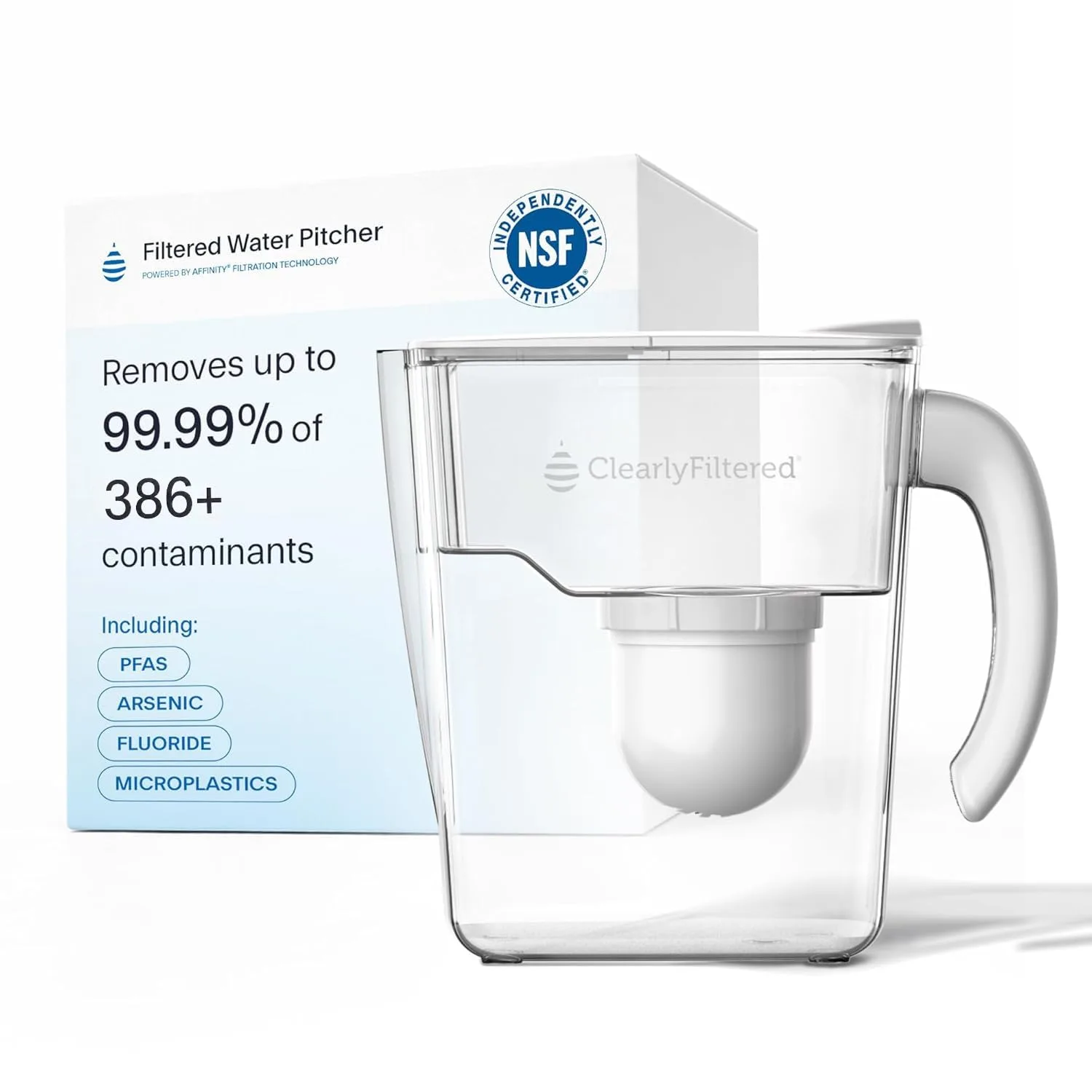
Clearly Filtered 10-Cup Water Filter Pitcher
Specs & notes →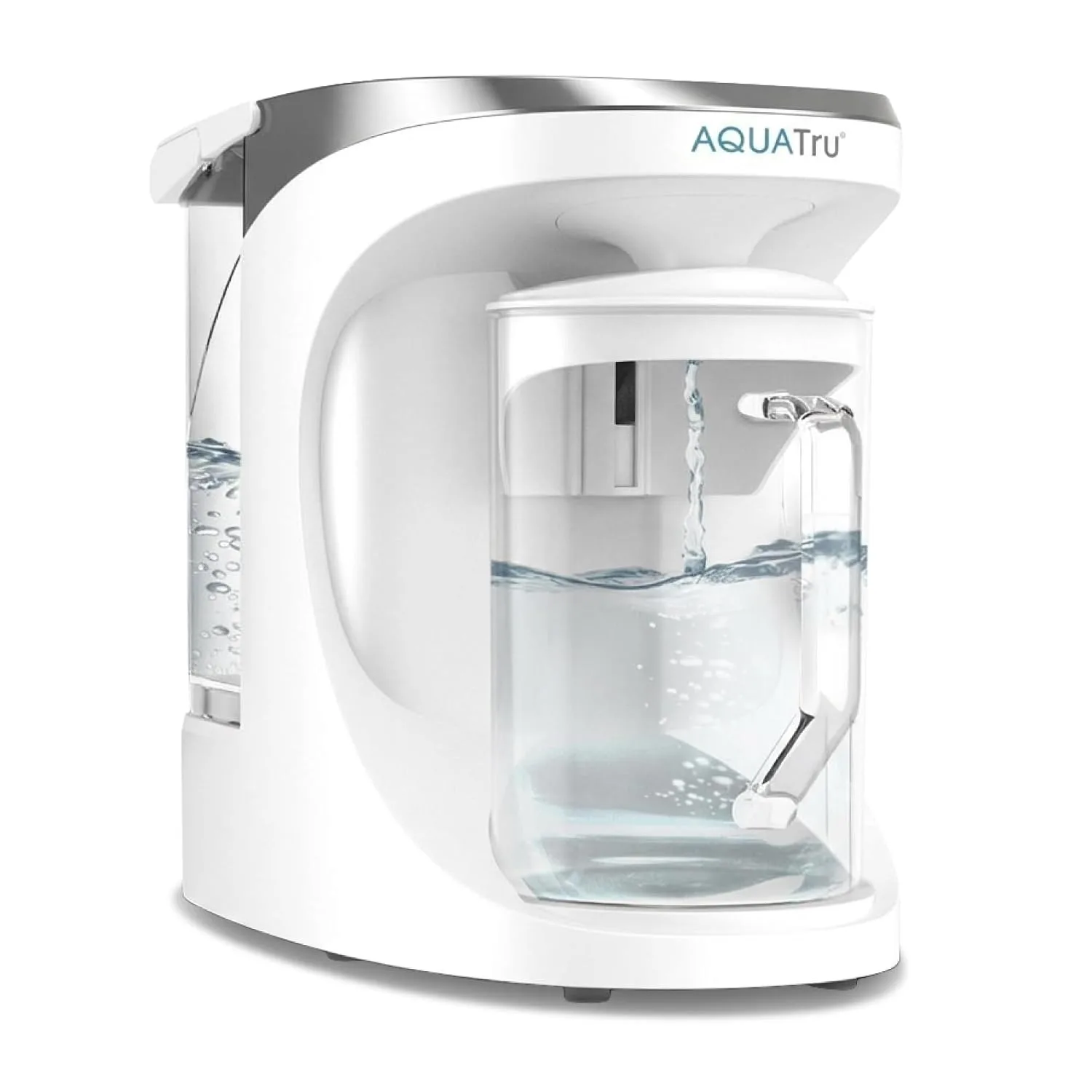
aquatru-glass-carafe
Specs & notes →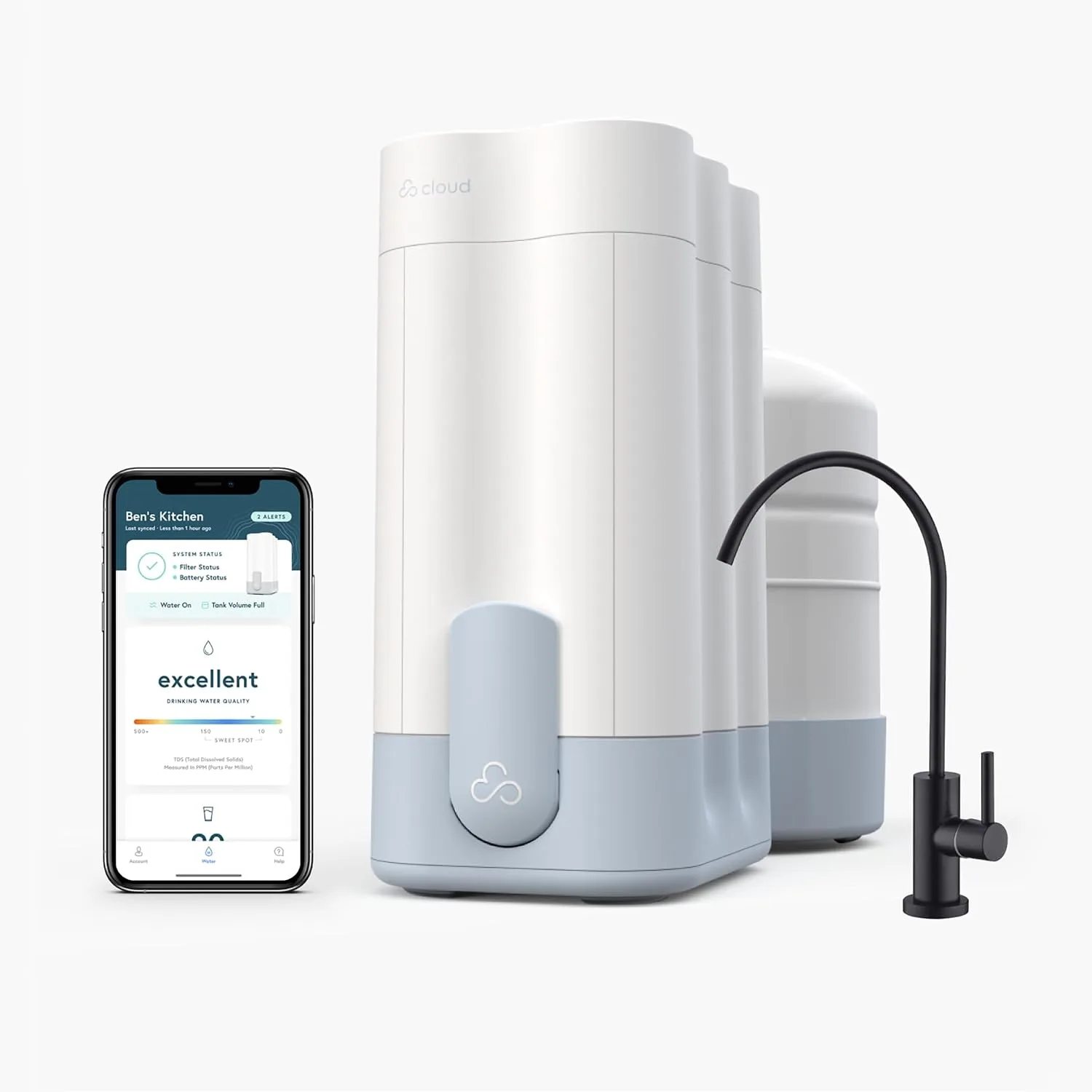
cloud-ro
Specs & notes →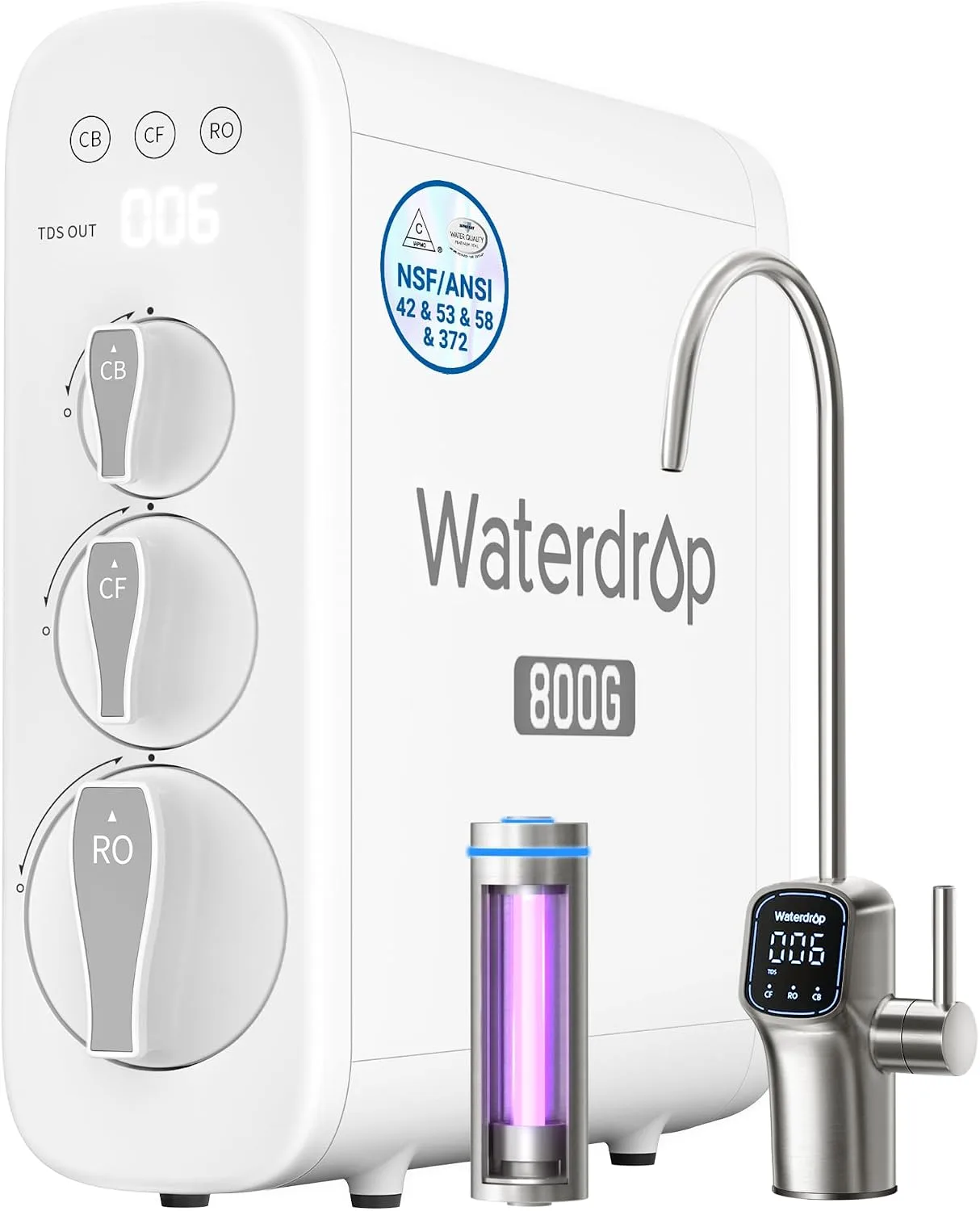
waterdrop-g3p800-tankless-reverse-osmosis-water
Specs & notes →
FAQ
Quick answers
+Is an NSF/ANSI 53 filter automatically a PFAS filter?
No. 53 covers many health-related contaminants, and a manufacturer certifies only the ones it tested. PFAS must be named in that model's listing.
+Do pitcher filters remove PFAS?
Only if the specific pitcher cartridge is certified for PFOA and PFOS. Most basic pitchers are 42-only for taste and odor.
+How often should a PFAS filter be replaced?
Follow the rated volume in the certification listing, not the taste of the water. Breakthrough happens before you can taste a difference.