
Guides & Tips
How Long Do Reverse Osmosis Filters Last?
RO systems fail gradually. Sediment and carbon stages usually die first; membranes last years if upstream stages stay fresh. Here is a practical replacement calendar.
By Hana Ishikawa · Updated 2026-10-18 · WaterVetted does not run its own lab tests
Three clocks, not one
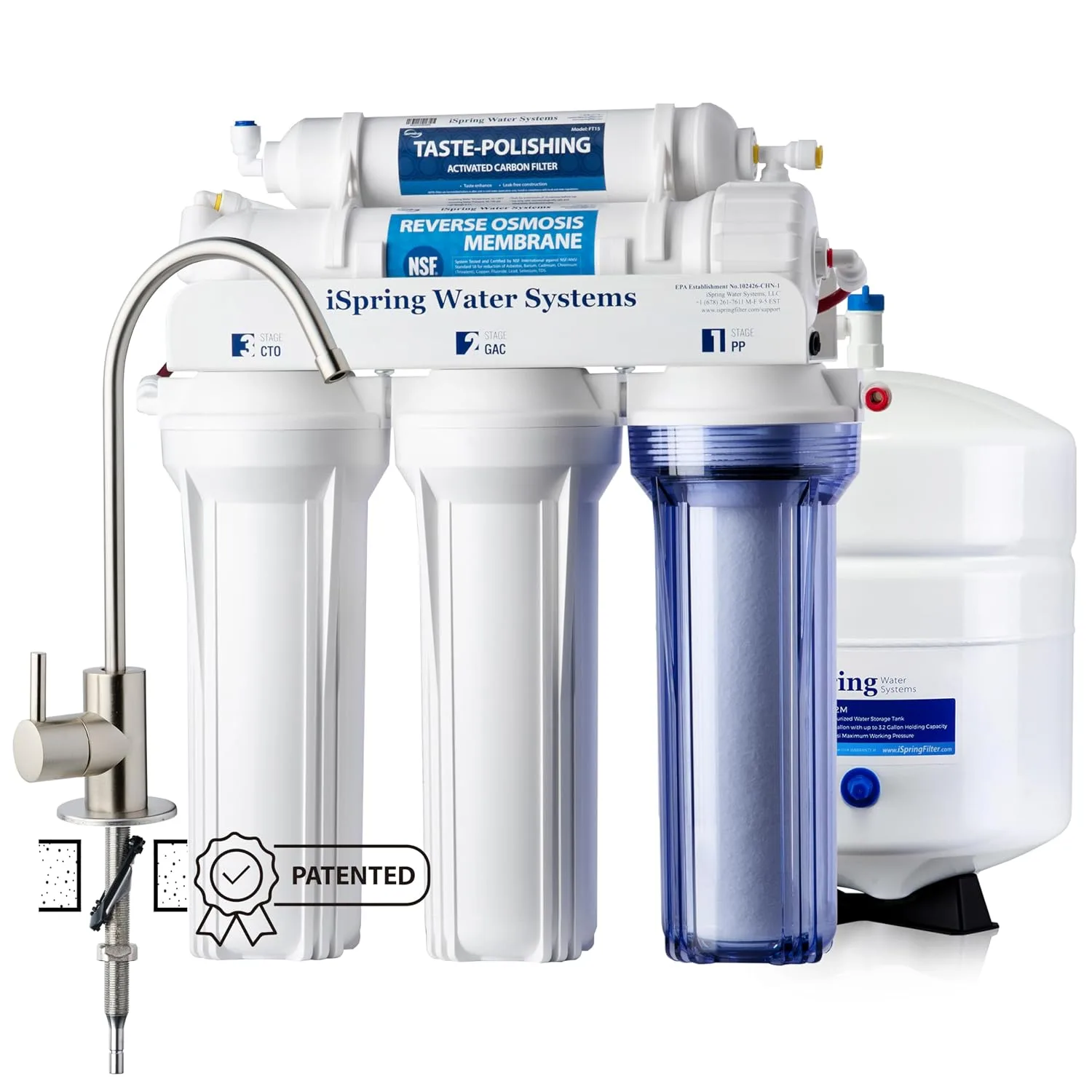
Most under-sink RO systems use sediment and carbon pre-filters, an RO membrane, and a post-carbon polish. Each stage has its own rated months or gallons.
Taste is a late signal. Chlorine breakthrough can damage the membrane before you notice a flavor change — so calendar or gallon tracking beats “still tastes fine.”
Typical ranges (manufacturer schedules)
Sediment/carbon pre-filters: often 6–12 months. RO membrane: often 2–5 years when pre-filters are changed on time. Post-carbon: usually aligned with the annual set.
Tankless high-GPD systems publish their own CF/CB/RO intervals — follow the model’s app or indicator rather than a generic blog calendar.
- Hard water and high sediment shorten pre-filter life
- Well water often needs a sediment pre-filter upstream of the RO
- Budget the annual cartridge set, not only the membrane
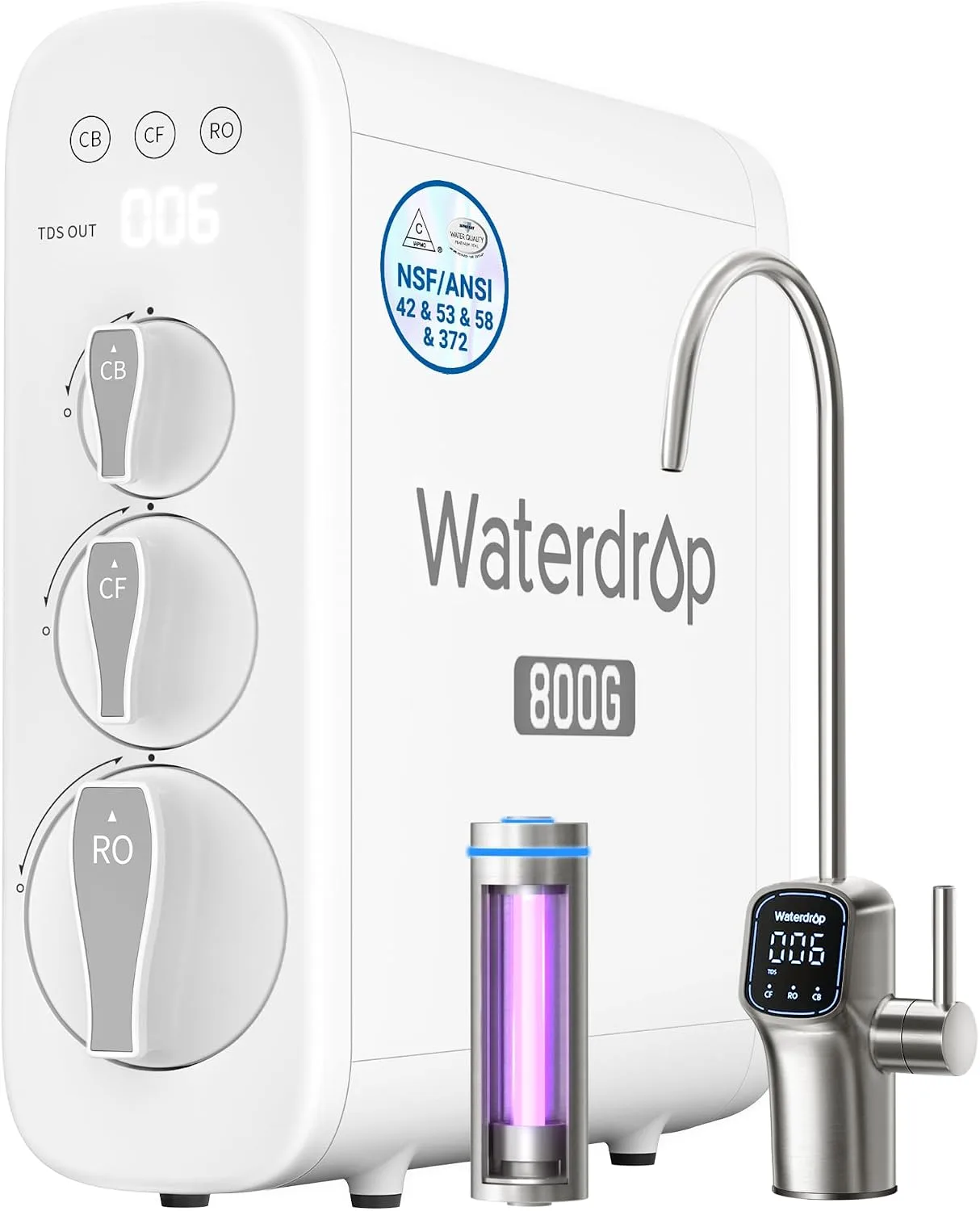
waterdrop-g3p800-tankless-reverse-osmosis-water
Specs & notes →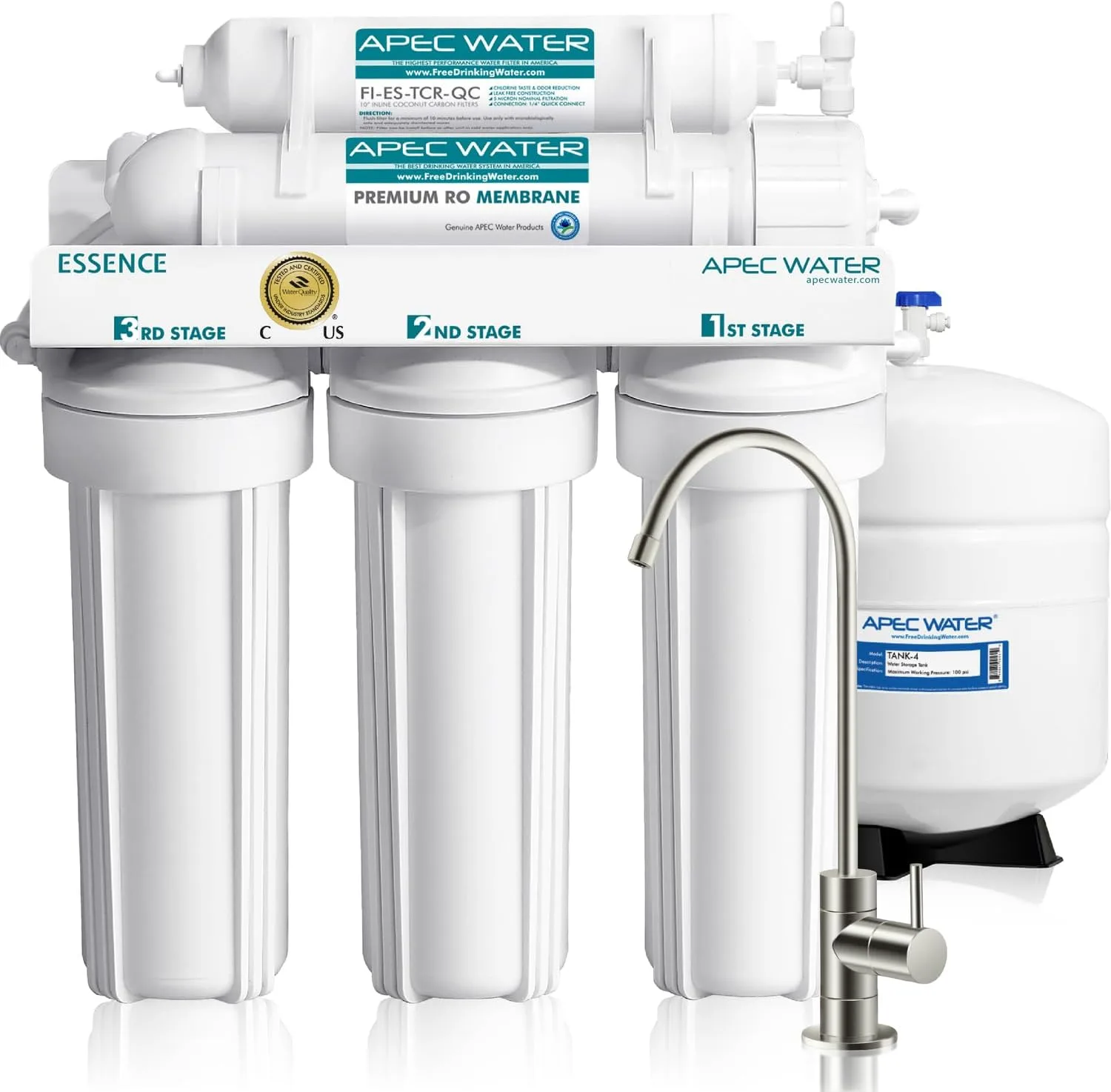
Who should skip stretching intervals
Households on chloraminated city water, high-sediment wells, or with infants relying on the RO for formula water should not stretch cartridges past the stated rating to save money.