
Guides & Tips
NSF/ANSI 401: What “Emerging Contaminants” Really Covers
NSF/ANSI 401 sounds like a catch-all safety seal. It is not. Here is what the standard covers, what it skips, and how to verify the claim on a real listing.
By Owen Baptiste · Updated 2026-10-18 · WaterVetted does not run its own lab tests
What 401 is — and is not
NSF/ANSI 401 is the optional “emerging contaminants” add-on. Manufacturers pay to test a short menu of pharmaceuticals, herbicides, and related compounds — not the full universe of chemicals in tap water.
It does not replace NSF/ANSI 53 (health claims such as lead) or NSF/ANSI 58 (reverse osmosis). A pitcher with 401 and no lead claim is still not a lead filter.
- 401 = named emerging compounds on that listing only
- 53 = health-related contaminants the maker paid to certify
- 58 = RO systems (TDS plus listed health claims)
- 42 = taste, odor, chlorine aesthetics
How to verify in two minutes
Write down the exact model number from the carton or product page. Search that string in the NSF, WQA, or IAPMO directory — not a marketing badge collage.
Open the listing and read which compounds appear under 401. If the page says “filters pharmaceuticals” but the directory row is blank for 401, treat the page language as claims-only.
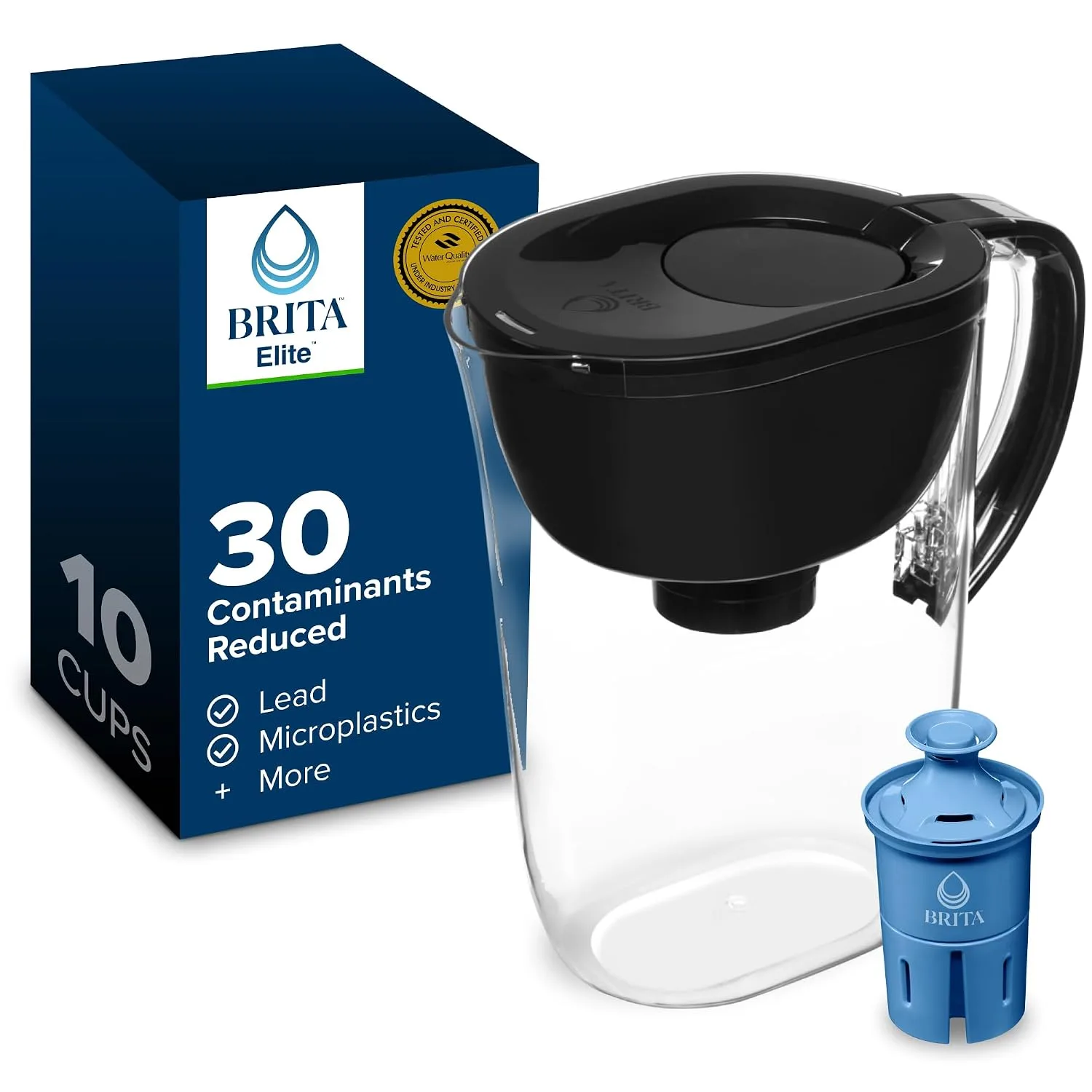
brita-everyday-elite-water-filter-pitcher
Specs & notes →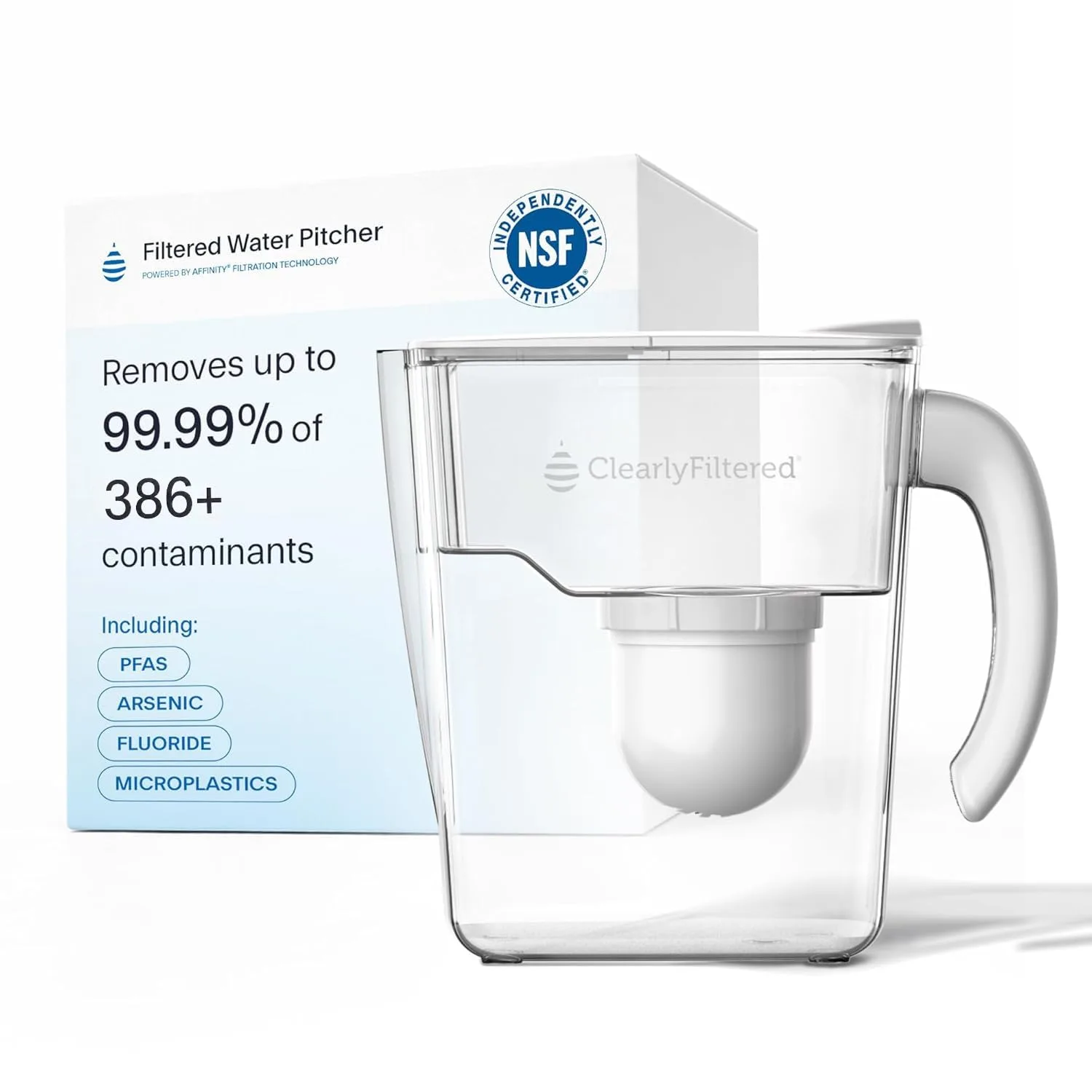
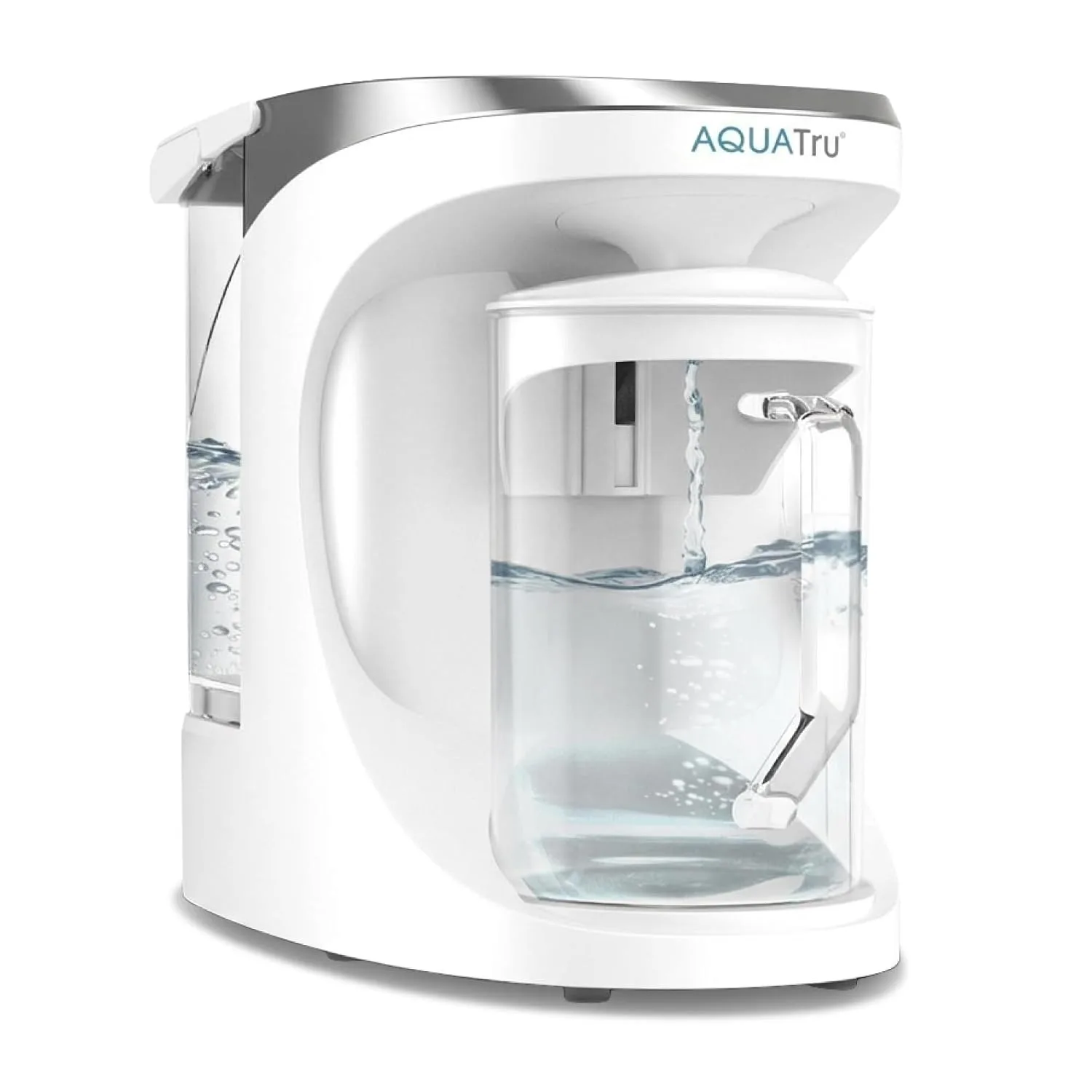
aquatru-glass-carafe
Specs & notes →
Who should care about 401
Shoppers who already matched 53/58 to a CCR line item and want optional coverage for named pharmaceuticals or herbicides. Skip it if your only problem is chlorine taste — 42 is enough and cheaper to run.
WaterVetted labeling
On our shortlists, a standard is marked certified only when we matched the exact model in a third-party directory. Marketing copy alone stays claims-only.