
Guides & Tips
Point-of-Use vs Point-of-Entry: Which Filter Class Fits?
A pitcher will not protect your shower. A whole-house tank will not magically certify drinking-water health claims. Start with POU vs POE.
By Owen Baptiste · Updated 2026-10-18 · WaterVetted does not run its own lab tests
Definitions without the jargon
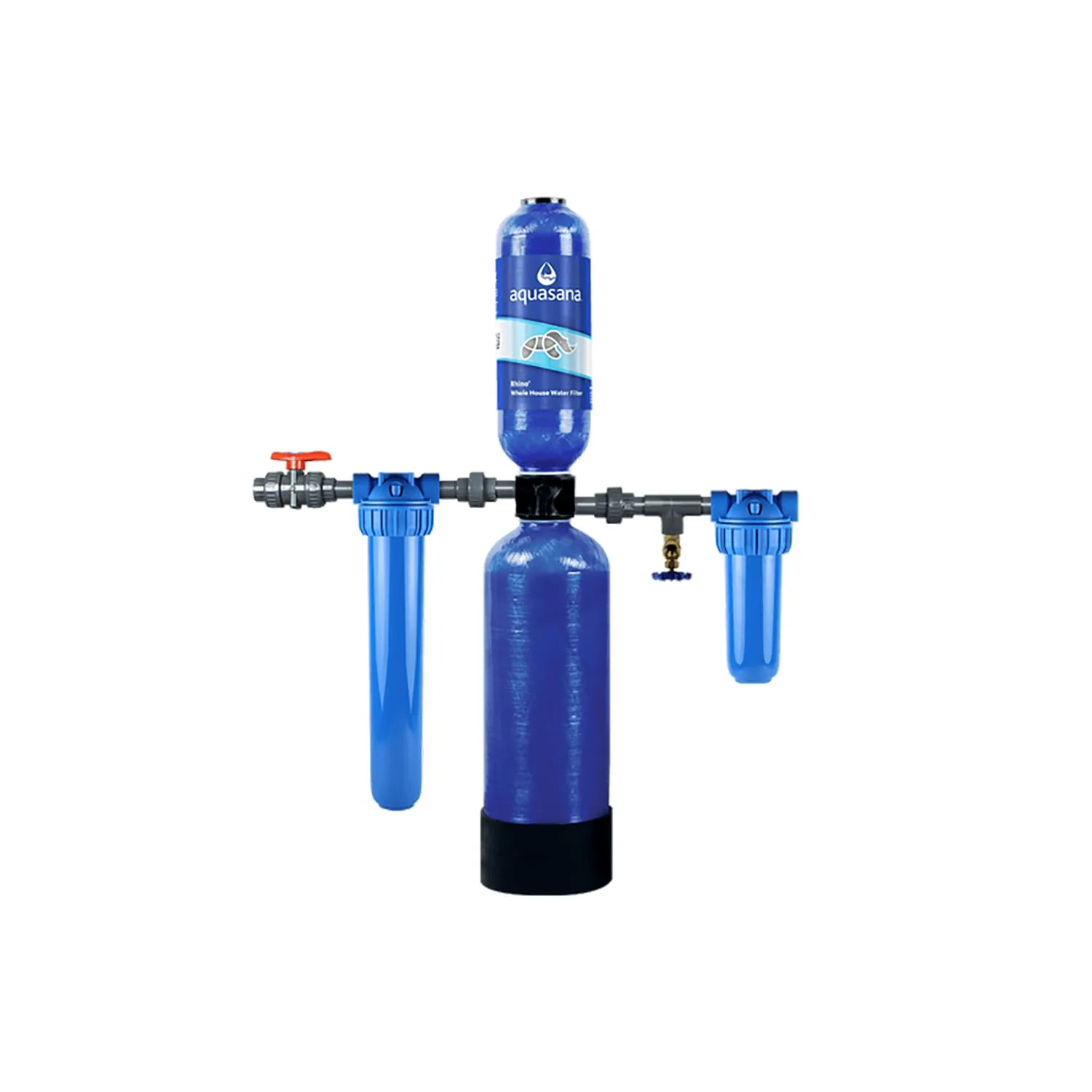
Point-of-use (POU) sits at one tap or vessel: pitcher, faucet mount, under-sink, countertop RO. Point-of-entry (POE) treats water as it enters the home — whole-house sediment, carbon, or softener trains.
Most health-related drinking claims (lead, PFAS named on a listing, fluoride via RO) are POU jobs. POE shines for sediment, chlorine taste at every faucet, and scale control.
Decision shortcuts
- Renting / no drill → POU pitcher, faucet, or countertop RO
- Lead or PFAS on a CCR → POU with a matching 53/58 listing
- Orange sediment or city chlorine at every tap → consider POE + a drinking POU
- Well bacteria → disinfect/UV or lab guidance; carbon alone is not enough
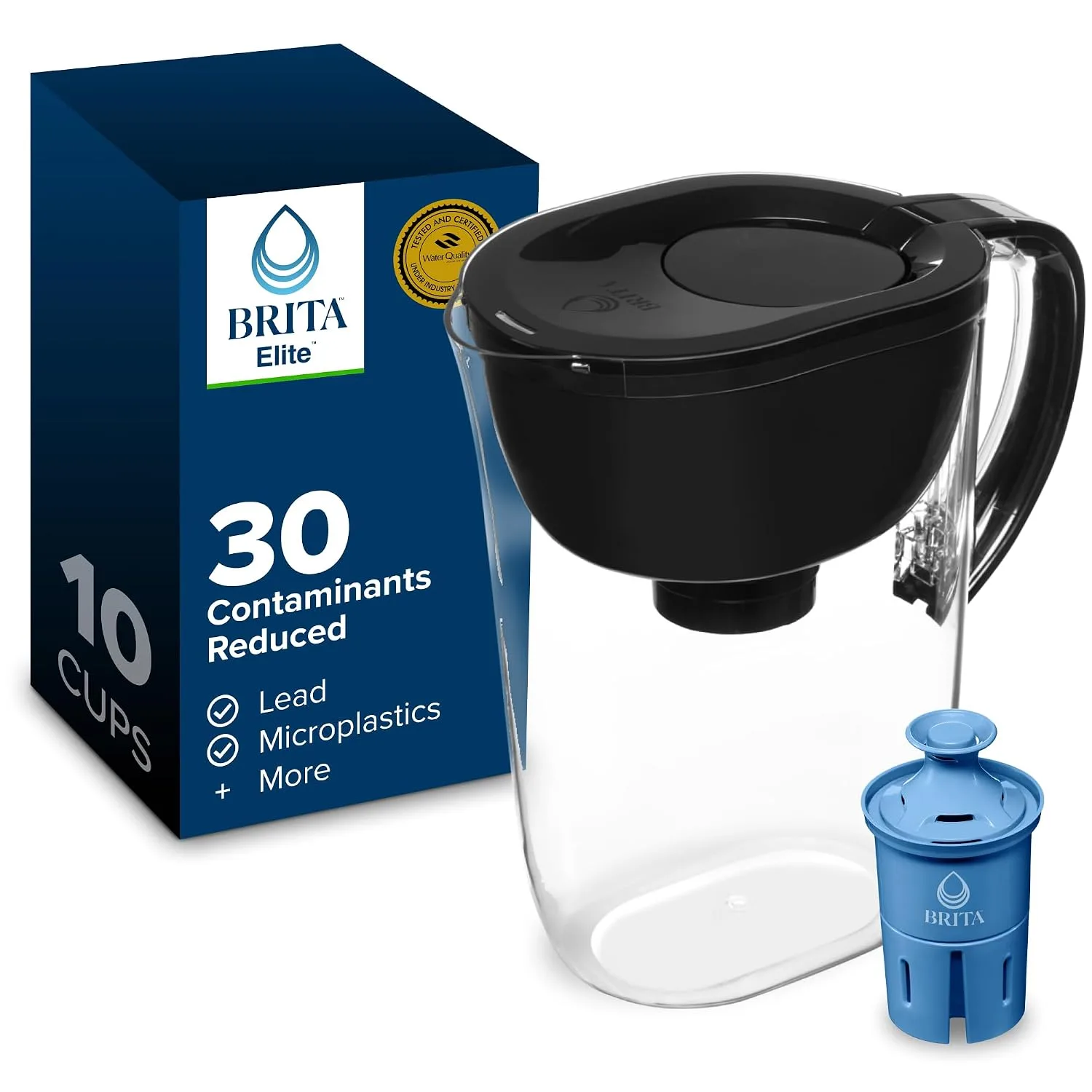
brita-everyday-elite-water-filter-pitcher
Specs & notes →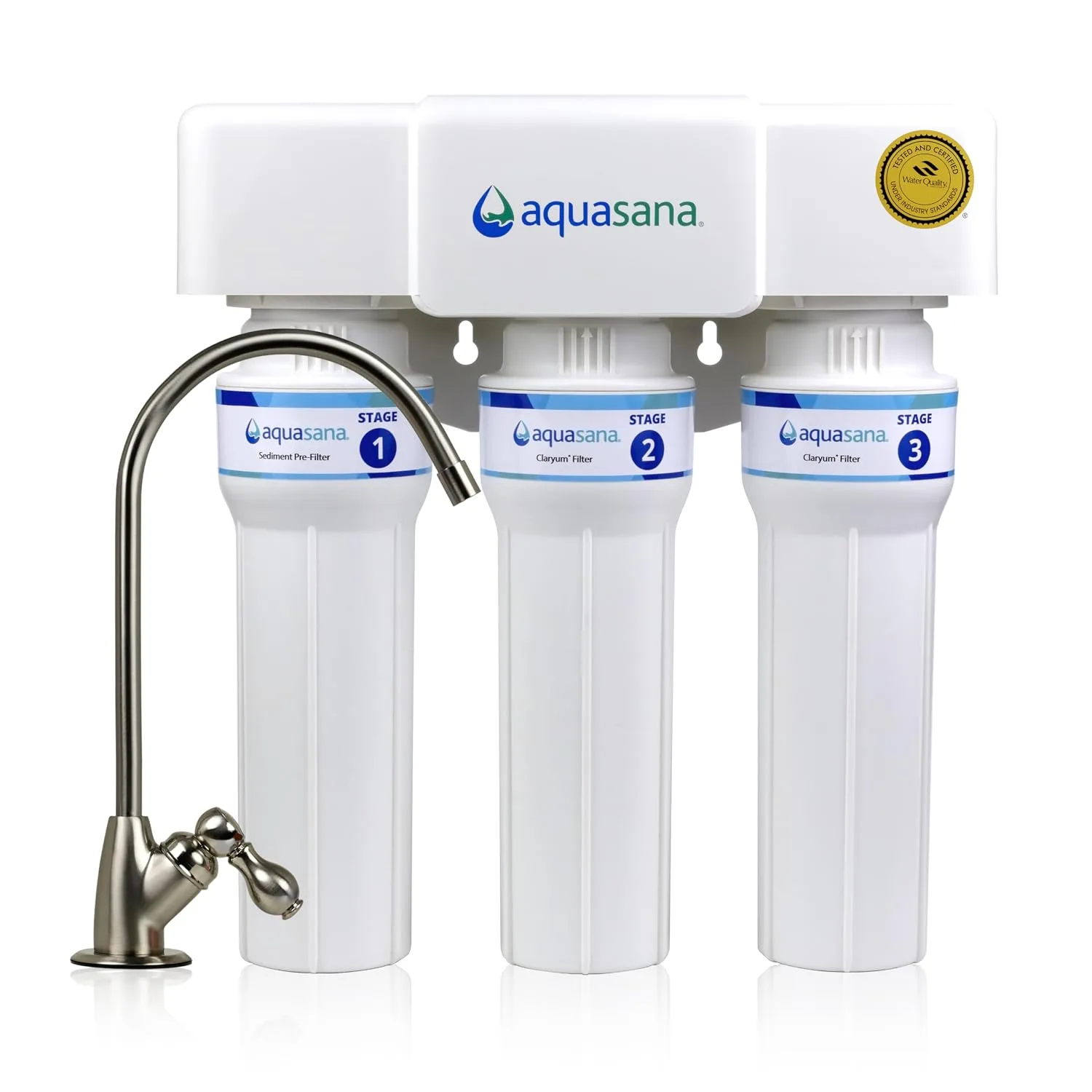
Cost honesty
POE hardware costs more upfront and needs plumber-level install in many homes. POU looks cheaper until you add annual cartridges — compare 12-month cost, not the first box price.